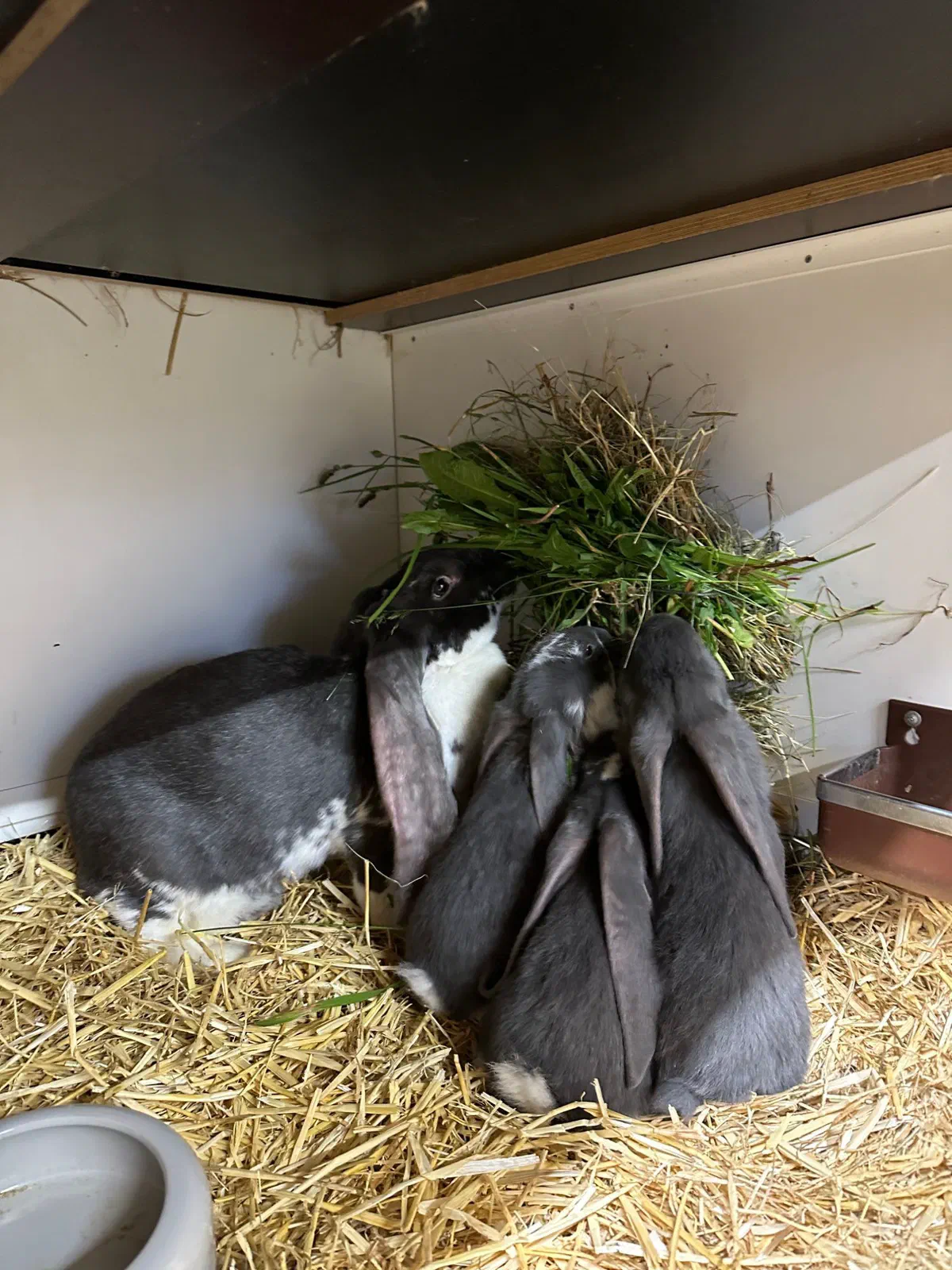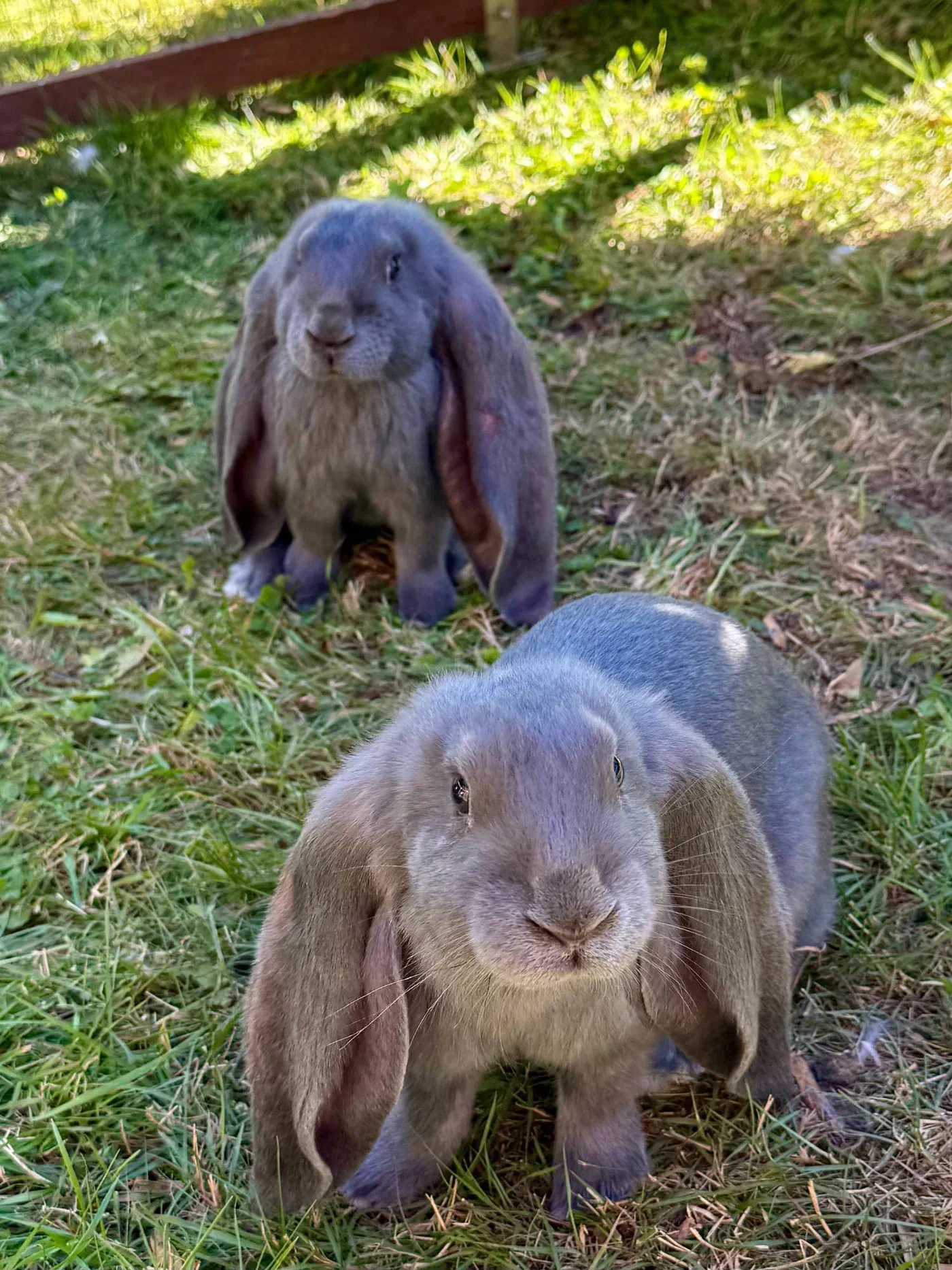
The weeks around weaning are the most delicate time for young English Lops after the nest. Their gut is switching from mother’s milk to solid food, and at the same time the youngsters lose the doe. With a clean hutch, the right feed and plenty of attention, you will get through this phase well.
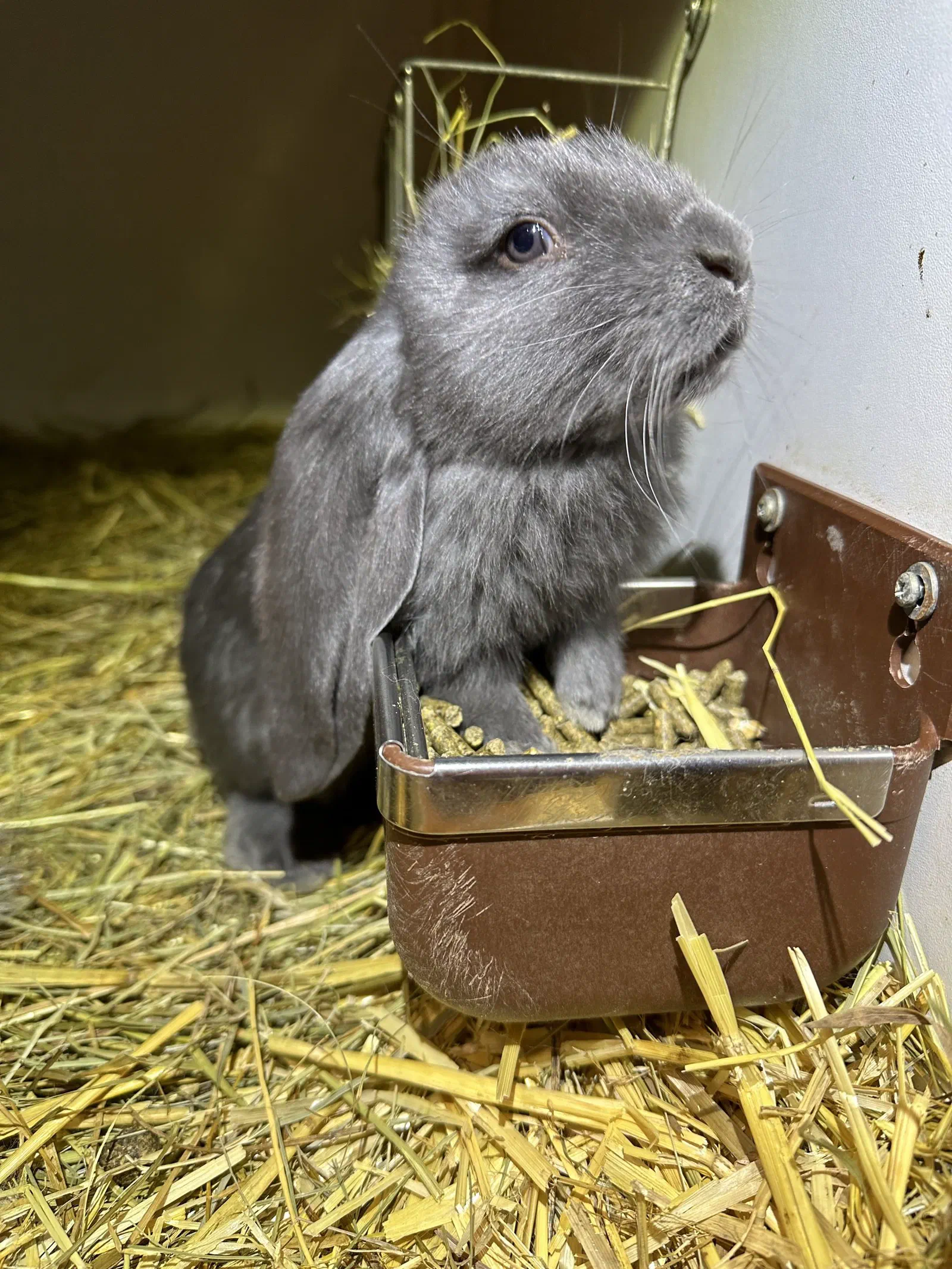
Hutch management
- Cleanliness is everything.
- Keep the bedding dry.
- Check whether the pen is big enough as the youngsters grow.
- Keep an eye on the doe’s milk supply.
- The youngsters must be able to reach the drinker and bowl.
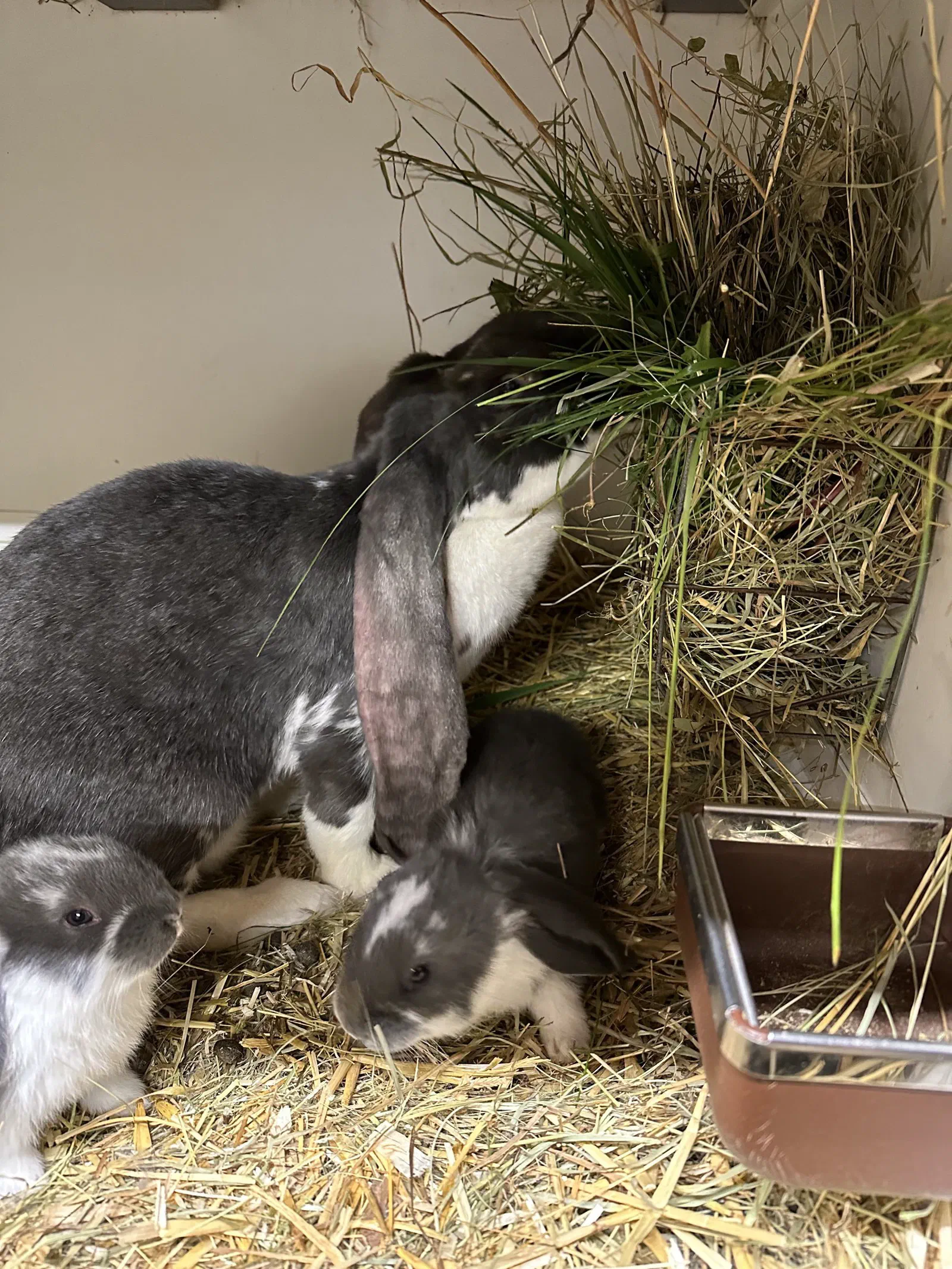
Feeding with the mother
As long as the youngsters are still with the doe, they eat what she eats. The feed should therefore be nutritious and available in sufficient quantity:
- vegetables and browse (e.g. apple twigs and hazel)
- good hay
- plenty of fibre
- water, also with additives (e.g. apple cider vinegar)
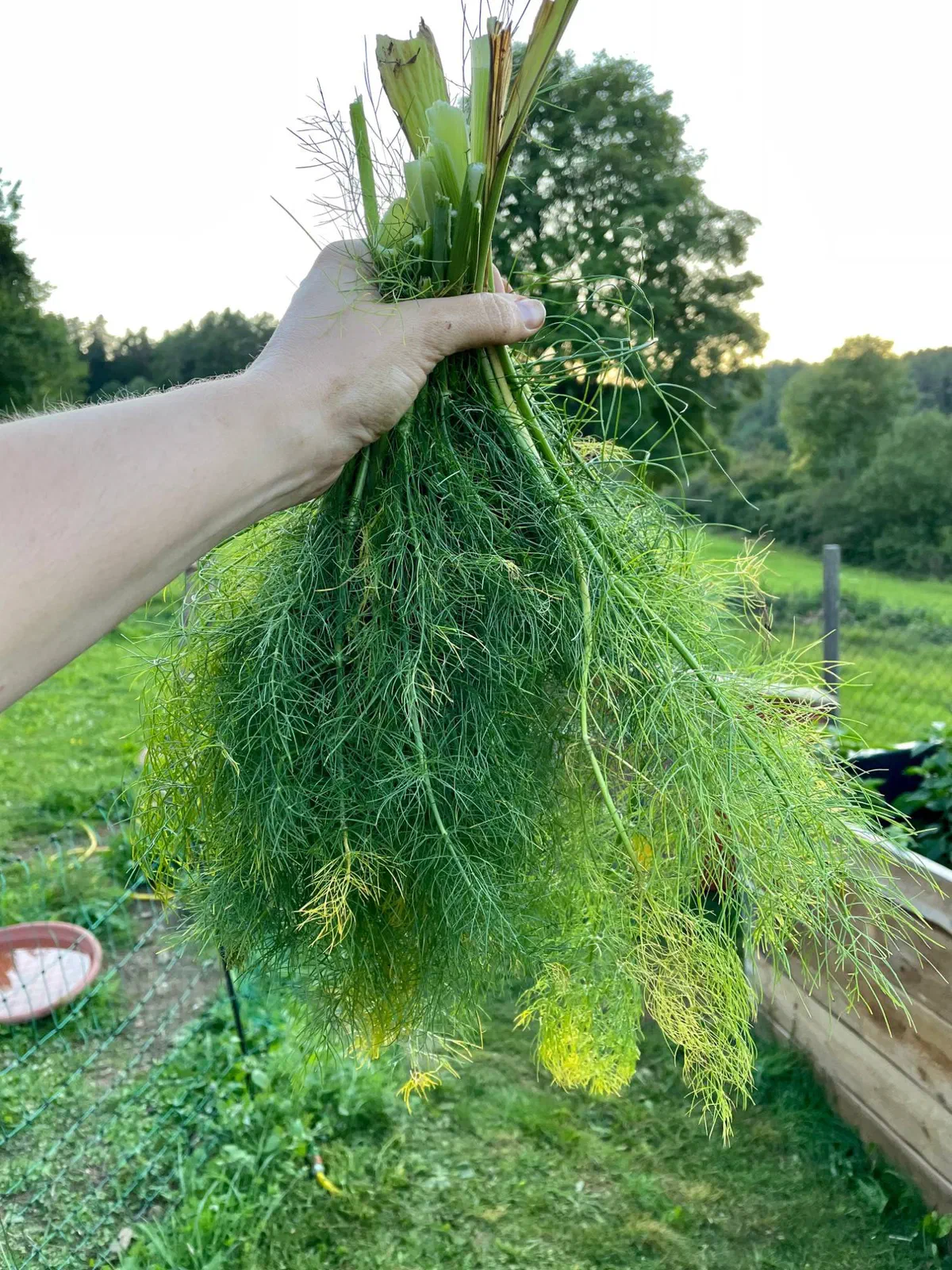
- feeds that promote milk production (e.g. fennel bulbs and herbs such as coriander or dill tips)
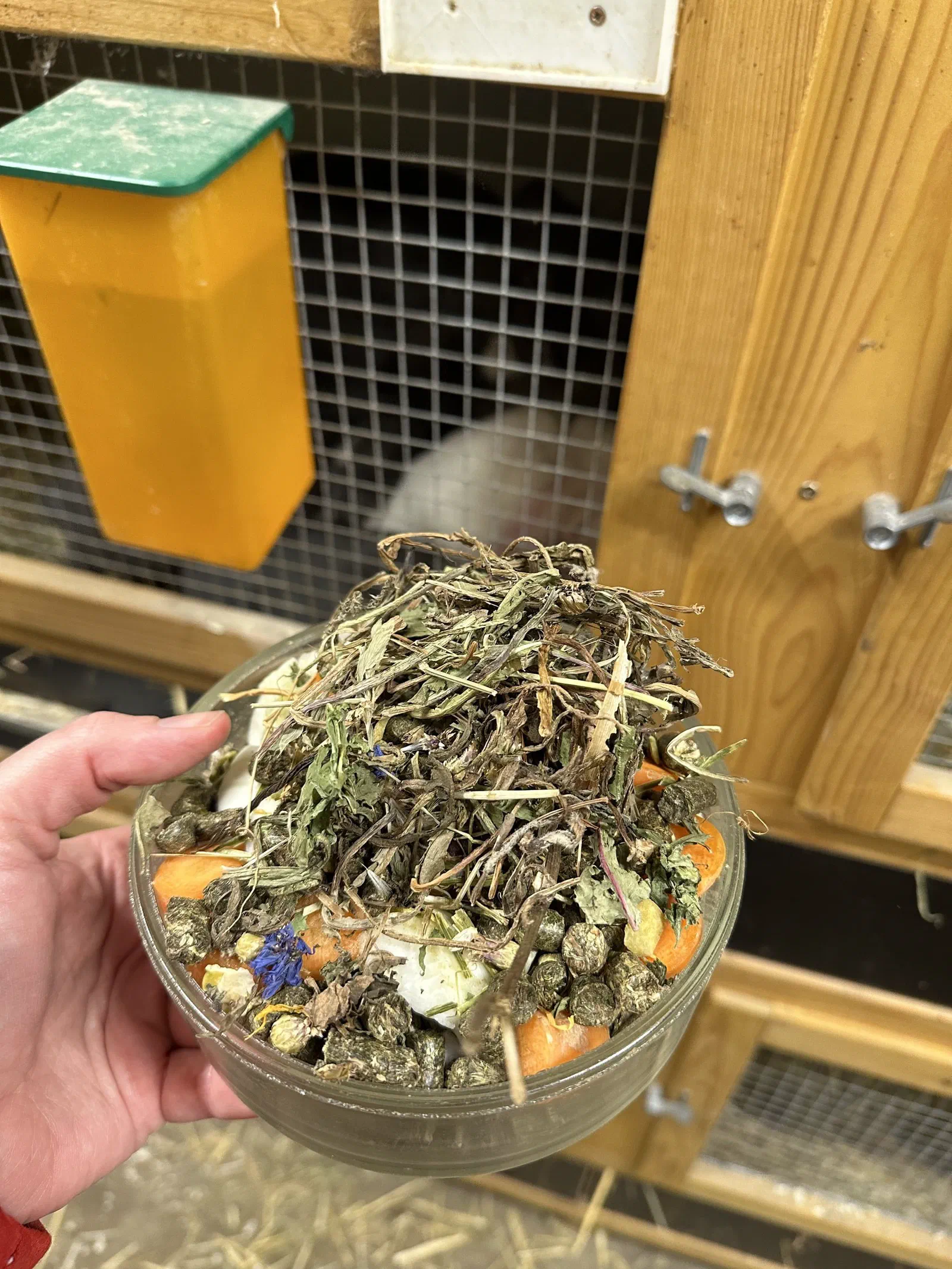
Preparing for and carrying out weaning
- Avoid unnecessary stress.
- If possible, keep two or three youngsters together.
- Watch, watch, watch.
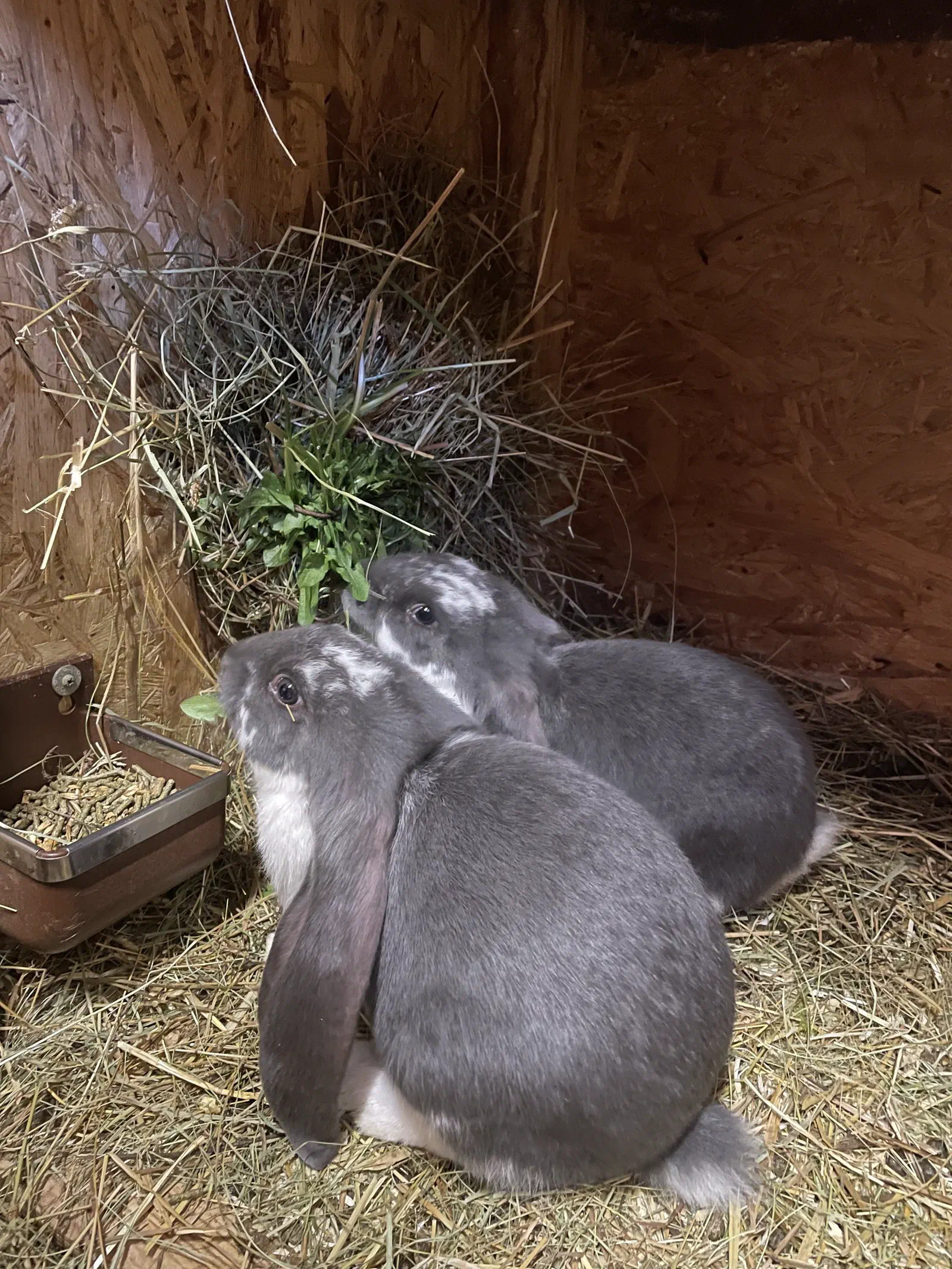
Feeding the weaned youngsters
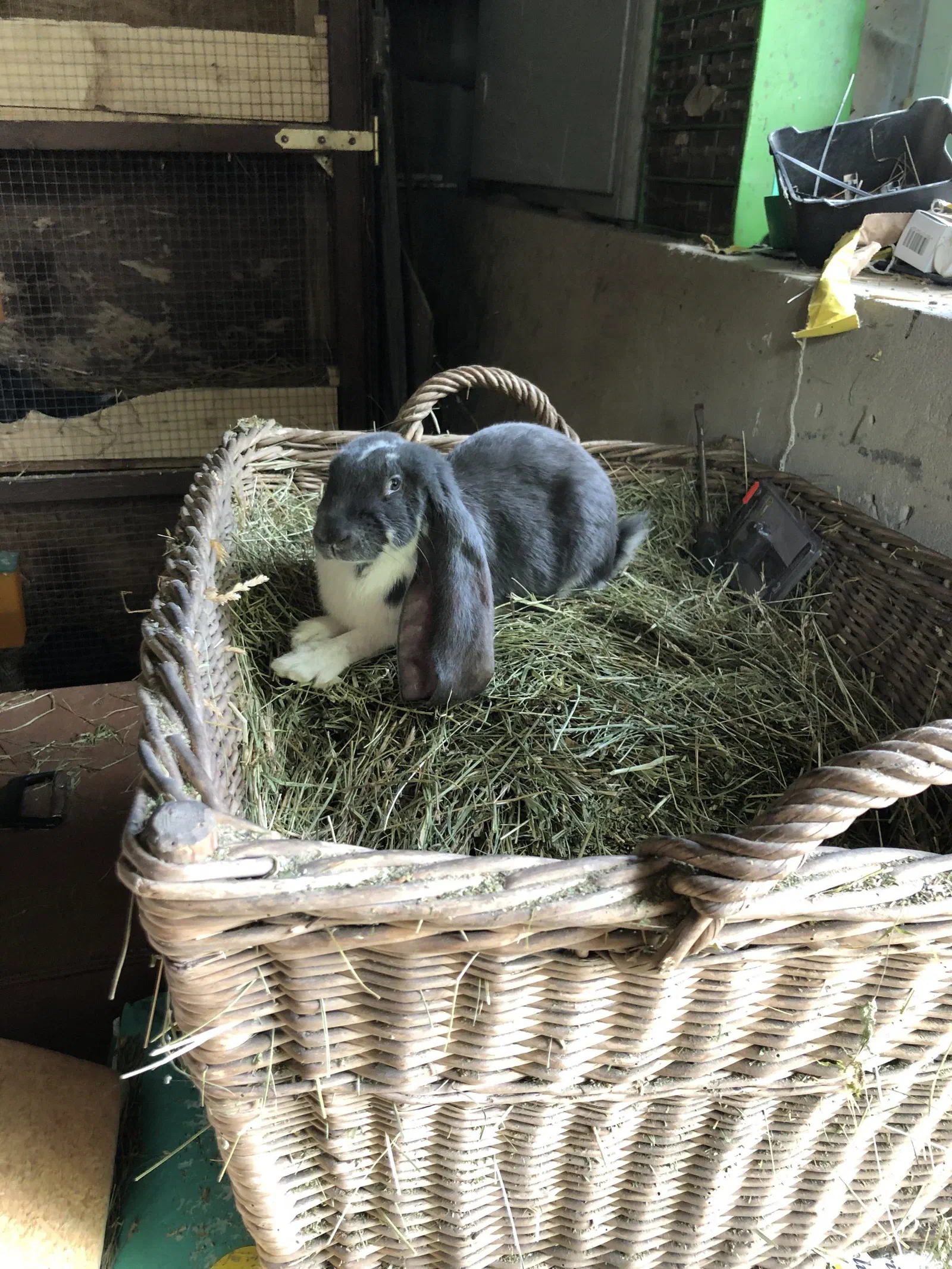
After weaning, the gut above all needs fibre and little easily digestible energy:
- reduce cereals and starch
- feed nothing that causes gas, cabbage for example
- feed low-sugar, so few apples or carrots
- roughage and hay in sufficient quantity
- reduce concentrates in general
- fresh, moist feed only in small amounts
- watch, watch, watch
When you need to act
These signs are warning signals:
- diarrhoea
- weight loss
- loss of appetite
- bloating
- abdominal pain
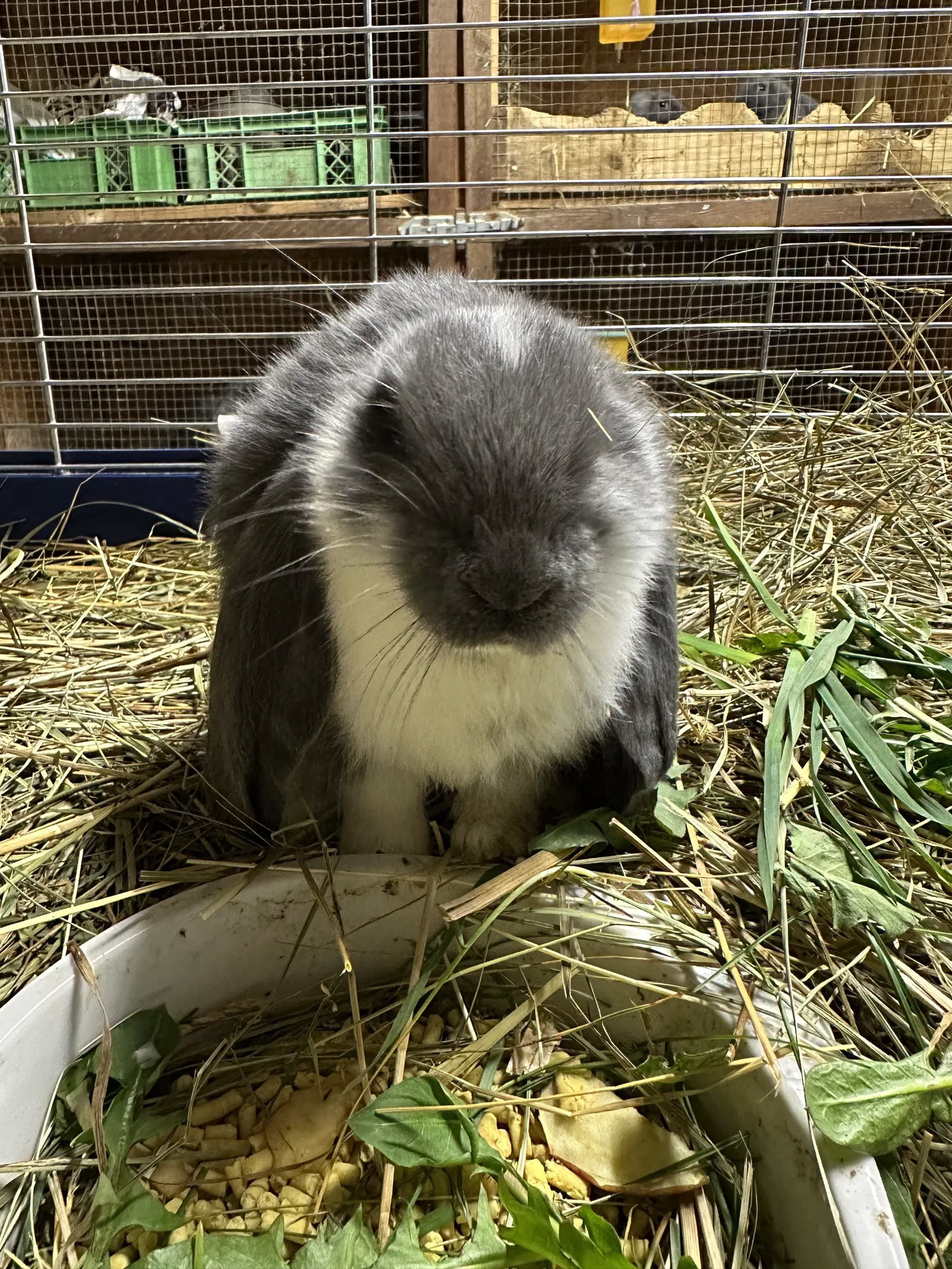
First aid for problems: act immediately
- Remove concentrates and moist feed.
- Put the water bowl lower so the animal can drink easily.
- Clean away diarrhoea and keep everything clean.
- Offer easily digestible feed.
- Give tea, for example stomach and gut tea or fennel tea.
- Medication such as Sab Simplex, or herbs.
- Nurse them back up: fresh air, a run outside and sunshine.
Coccidiosis or enterocolitis?
Diarrhoea and a bloated belly in the weeks after weaning often have one of two causes: coccidiosis or epizootic enterocolitis (also called “ERE” or “bloat”). Both strike exactly the youngsters in this phase, both can quickly become dangerous, and they are often confused.
Important first: you cannot reliably tell them apart from the animal alone. Coccidiosis can also cause a bloated belly, and the two often occur together. So if you suspect either, take a faecal sample or a dead animal to the vet early, so that they can establish the cause.
Coccidiosis
Coccidia are single-celled parasites of the genus Eimeria. They infect the gut and, in hepatic coccidiosis, the bile ducts of the liver. Animals become infected via droppings containing oocysts. In damp bedding the oocysts become infectious after just a few days, and they survive for a long time. Adult animals often carry coccidia without being ill. For youngsters after weaning, however, a high infective dose can be dangerous.
Typical signs are mushy to watery diarrhoea, reduced appetite, weight loss and a shaggy coat. Whether it is coccidia is shown by testing the droppings for oocysts. A pooled faecal sample collected over several days works best. There are effective drugs against coccidia, but only from the vet.
Epizootic enterocolitis (ERE)
Enterocolitis is a contagious intestinal disease that was first described in France in the mid-1990s. Its cause has still not been fully established. A disturbed gut flora and various clostridia are under discussion. It mainly affects youngsters in the first weeks after weaning and can spread quickly through the whole rabbitry.
Often the animals suddenly stop eating and drink less. The belly is bloated and sloshes when you feel it. At first there are few or no droppings, then slimy, jelly-like masses and later diarrhoea. Without treatment, many of the affected animals die. There is no simple laboratory test. The vet usually makes the diagnosis by post-mortem examination and by ruling out other causes. There is no specific treatment, which makes acting quickly and feeding correctly all the more important.
The differences at a glance
| Feature | Coccidiosis | Enterocolitis (ERE) |
|---|---|---|
| Cause | single-celled parasites (Eimeria), intestinal or hepatic form | not established, contagious; gut flora and clostridia under discussion |
| When | mainly after weaning | mainly in the first weeks after weaning |
| Droppings | mushy to watery, sometimes bloody | few droppings at first, then mucus and jelly-like masses, later diarrhoea |
| Belly | may be bloated | bloated, sloshing |
| Eating | reduced appetite, weight loss | sudden refusal to eat, drinks less |
| Course | often mild; severe in youngsters and with heavy infection | rapid, often several animals in the rabbitry |
| Detection | faecal sample tested for oocysts | post-mortem and ruling out other causes |
| Treatment | drugs from the vet, plus hygiene | no specific treatment; vet, change the feeding |
What helps prevent both
- Hygiene and dry bedding. This matters most against coccidia, because the oocysts become infectious in damp bedding.
- Plenty of hay and fibre, little starch and protein. This stabilises the gut flora.
- Change feed slowly, avoid stress. Exactly what is described above for the weaned youngsters.
- Regular faecal samples from your rabbitry, so that you detect coccidia before they cause problems.
Sources: ESCCAP Germany, Kokzidien bei Kaninchen (opens in a new window) (coccidia in rabbits) and Factsheet Hygienemaßnahmen (opens in a new window) (hygiene measures factsheet); R. Hoop, University of Zurich, Die epizootische Enterocolitis (opens in a new window) (epizootic enterocolitis); MSD Veterinary Manual, Parasitic Diseases of Rabbits (opens in a new window); Licois et al. 2005, Veterinary Research (opens in a new window). This section is no substitute for an examination by a vet.
If you have questions
If you are unsure, feel free to get in touch with me via the contact form.